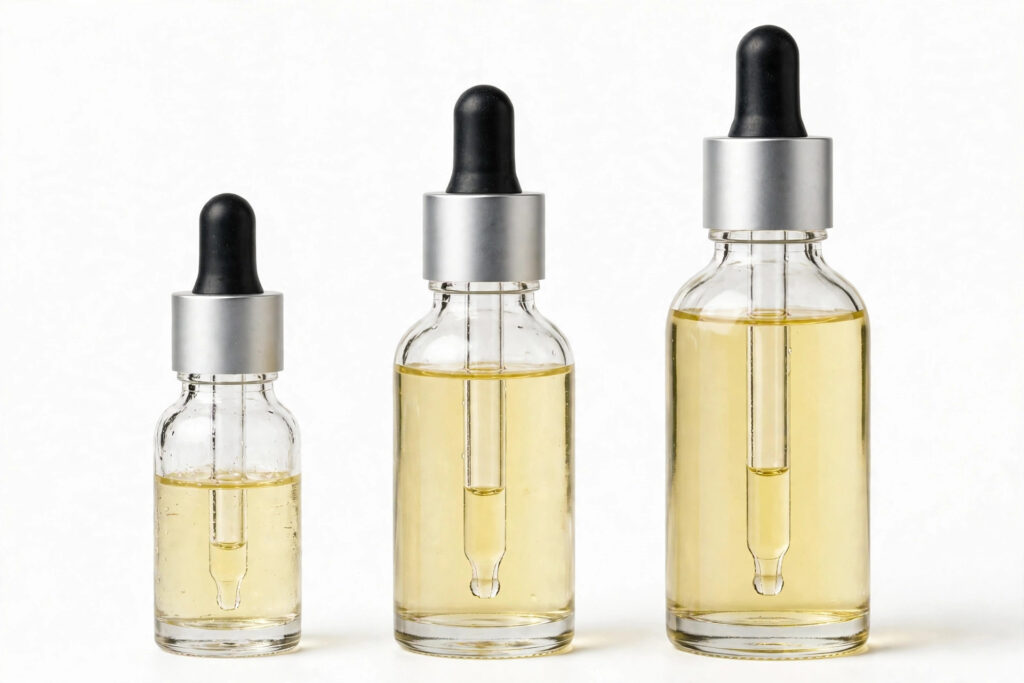
Let’s start with a simple truth: the best vitamin C serum is not the strongest bottle on the shelf — it is the one your skin tolerates well enough to use every morning. A well-chosen formula can help skin look brighter and more even, but only if it fits your skin type, your budget, and your routine.
Here is the reality check: vitamin C comes in several forms and strengths, and the label alone does not tell you everything. This guide explains how to choose by skin type, strength, and formula, with popular ranges as examples only. Prices and availability change, so always check the current listing before buying. See our affiliate disclosure for how affiliate links work.
Quick Verdict: Best Vitamin C Serum at a Glance
- Best for beginners: a gentler derivative or a lower-strength L-ascorbic acid formula.
- Best for dull-looking skin: L-ascorbic acid with vitamin E and ferulic acid, used in the morning.
- Best for sensitive skin: a simple, fragrance-free derivative formula.
- Best for oily skin: a lightweight, water-based formula that layers easily under moisturiser.
Vitamin C Serum Comparison: Types at a Glance
| Type | Best For | What to Know |
|---|---|---|
| L-ascorbic acid | Classic, higher-strength use | Can feel tingly; needs careful storage away from light and air |
| Ethyl ascorbic acid | Beginners and sensitive skin | Often described as more stable and gentler |
| Ascorbyl glucoside | Daily, gentle use | A slower-release derivative, often in lighter formulas |
| Sodium ascorbyl phosphate | Oily or combination skin | Water-soluble derivative, often in lightweight serums |
How to Choose: Best for Your Skin Type
1. Best for Beginners
Start with a gentler derivative or a lower-strength formula, used every other morning at first. Popular ranges often mentioned for beginners include The Ordinary and CeraVe, but choose by formula and tolerance, not by brand name alone. If skin feels comfortable after a few weeks, you can move to daily use.
2. Best for Sensitive Skin
Look for a short ingredient list, no added fragrance, and a derivative form rather than a high-strength L-ascorbic acid formula. Patch test first, and pair it with a gentle moisturiser. If irritation persists, stop use and consider a dermatologist for medical concerns.
3. Best for Dry Skin
Look for a formula that also includes hydrating ingredients such as hyaluronic acid or glycerin, and follow it with a suitable moisturiser. A slightly richer texture can feel more comfortable than a very watery serum.
4. Best for Oily or Combination Skin
Look for a lightweight, water-based gel or liquid that absorbs quickly and does not feel heavy under moisturiser and SPF. La Roche-Posay and similar ranges are often mentioned for lightweight textures, but again, check the formula, not just the brand.
How to Choose by Strength and Budget
Strength is not a race. Lower strengths can still support a brighter-looking complexion with regular use, and they are easier to tolerate. Higher strengths may suit experienced users, but they are more likely to cause tingling or dryness. Choosing the best vitamin C serum is about tolerance first, strength second.
On budget, a simple, well-formulated derivative serum is often a better first purchase than an expensive high-strength formula you use inconsistently. Check the bottle size, the packaging — dark or airless packaging helps protect L-ascorbic acid — and whether the formula looks clear rather than dark orange, which can signal oxidation. Also check the full ingredient list for added fragrance or drying alcohol if your skin is sensitive, and remember that a serum you enjoy using, with a texture you like, is the one you are most likely to finish and repurchase.
When in doubt, buy the smaller size first, test it for two weeks, and only then decide whether the formula deserves a place in your daily morning routine.
How to Use Your Vitamin C Serum
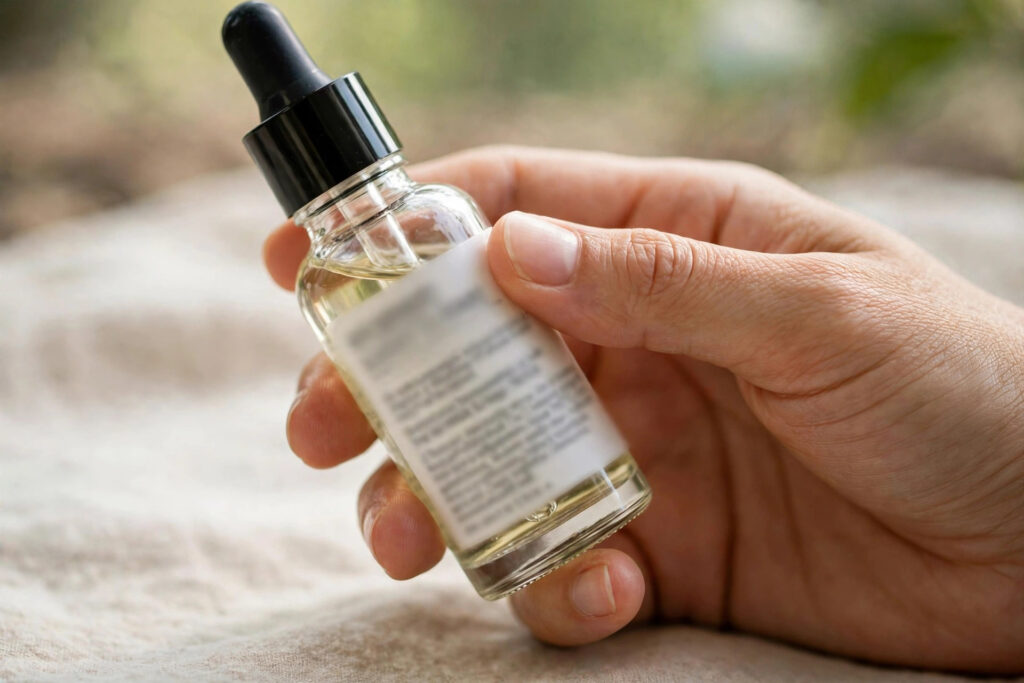
Use it in the morning, after cleansing and before moisturiser and SPF, as explained in our vitamin C serum guide. Apply two to four drops, wait a minute, then moisturiser and sunscreen. Store it in a cool, dark place, keep the cap closed, and replace it if the colour or smell changes markedly.

Common Mistakes to Avoid
1. Choosing the Strongest Formula First
High strength does not mean faster results. Start low, and increase only if skin feels comfortable. The best vitamin C serum for you is one your skin tolerates daily.
2. Skipping Sunscreen
Vitamin C and SPF work as a pair in the morning. Without sunscreen, you lose much of the brightening benefit. For general sun-protection guidance, see the American Academy of Dermatology.
3. Ignoring Storage and Oxidation
Heat and light can degrade vitamin C, especially L-ascorbic acid. A dark bottle, a cool shelf, and a closed cap all help.
Frequently Asked Questions (FAQ)
1. What strength should a beginner choose?
Start low — a gentler derivative or a lower-strength L-ascorbic acid formula — and increase only if skin feels comfortable after a few weeks.
2. Is an expensive vitamin C serum always better?
No. Formula, stability, packaging, and tolerance matter more than price alone. A simple formula you use daily beats an expensive one you avoid.
3. Can I use vitamin C with hyaluronic acid?
Yes. Apply the lighter, water-based product first, then moisturiser. Many people use both in the morning.
4. How long before I see a difference?
Allow at least four to eight weeks of regular use before judging the appearance of your skin. Cosmetic change is gradual.
Conclusion: Choose for Tolerance, Not Hype
The best vitamin C serum is the one you can use every morning without irritation, stored well, and paired with sunscreen. But here is the most important takeaway: start low, stay consistent, and let tolerance guide your next step. Re-read the vitamin C serum guide before you buy, and keep your routine simple.