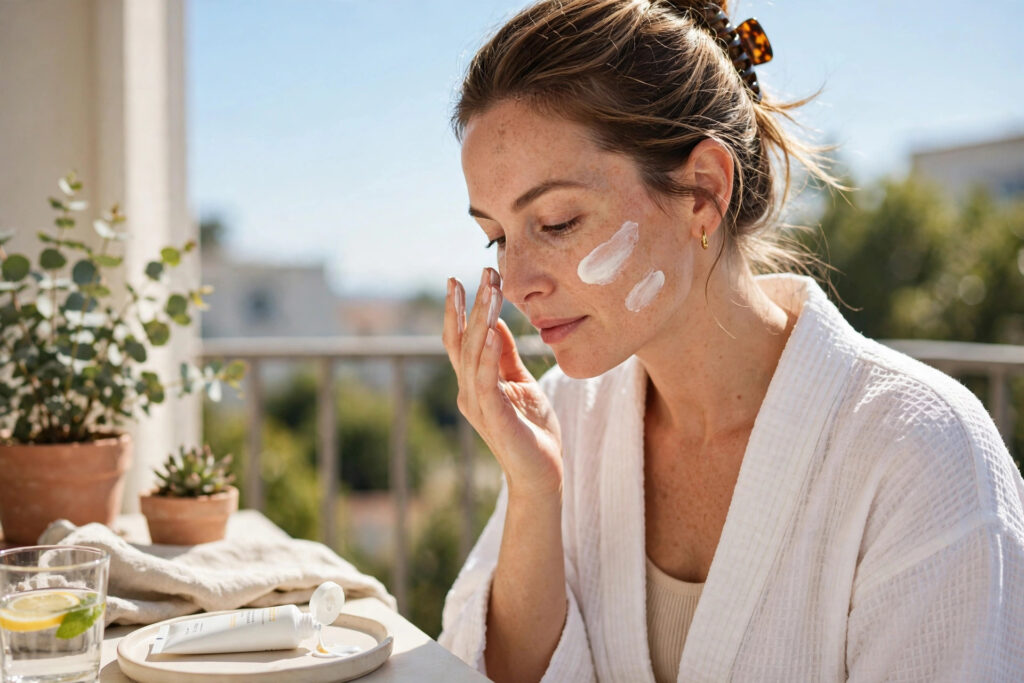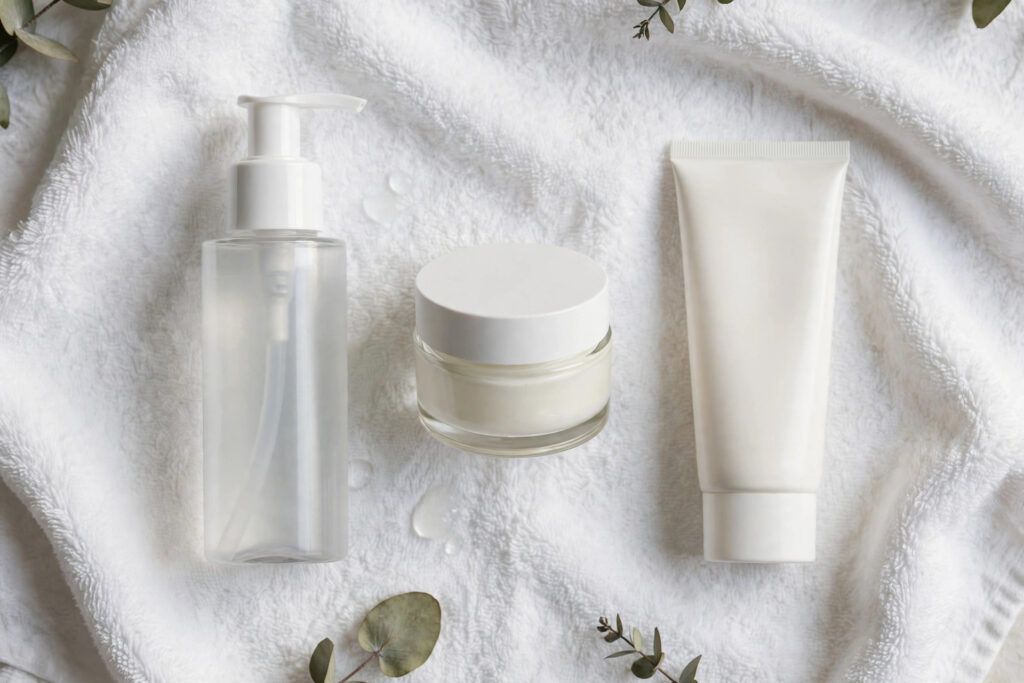
Starting a skincare routine does not need ten products, a large budget, or a complicated schedule. The best beginner routine is a simple one you can repeat every morning and every night: cleanse, moisturise, and use sunscreen in the morning. Once that basic habit feels easy, you can add one treatment product at a time, such as a serum, and learn what your skin likes. This guide explains how to start a skincare routine step by step.
For the full background, see our skincare routine guide, which explains the order of products in more detail. This step-by-step guide focuses on how to begin, what to buy first, and how to build slowly without overwhelming your skin.
Quick Verdict: How to Start a Skincare Routine at a Glance
- Best starting routine: cleanser, moisturiser, and morning sunscreen.
- Best first serum: a gentle hydrating serum, such as hyaluronic acid, used on damp skin.
- Best pace: add only one new product every two weeks, so you can tell what suits you.
- Best habit: keep mornings simple and protective, and evenings simple and restorative.
- Best rule: if skin feels uncomfortable, simplify the routine before adding anything else.
What a Beginner Skincare Routine Looks Like
A beginner routine has three core steps. Cleansing removes sunscreen, makeup, and daily build-up. Moisturiser helps skin feel comfortable and supports its moisture barrier, which is the outer layer that helps skin retain hydration. Sunscreen is the daytime step that helps protect the appearance of skin from sun exposure. Everything else is optional at the start. That is the simplest way to learn how to start a skincare routine.
Think of treatments, such as serums, as extras. A serum is a lightweight, concentrated product applied after cleansing and before moisturiser. Common beginner-friendly examples include hyaluronic acid for hydration and niacinamide for a balanced, lightweight feel. Stronger actives, such as retinol, are best added later, once the basic routine is comfortable, and only slowly.
Skincare Routine Comparison: Morning vs Evening at a Glance
| Step | Morning | Evening |
|---|---|---|
| 1. Cleanse | Gentle cleanse or rinse with water | Gentle cleanser to remove the day |
| 2. Treat | Optional light serum, such as vitamin C or hyaluronic acid | Optional serum, only if skin is comfortable |
| 3. Moisturise | Lightweight moisturiser | Slightly richer moisturiser if skin feels dry |
| 4. Protect | Sunscreen as the last step | No sunscreen needed at night |
The Core Steps, in Order
1. Cleanse Gently
Use lukewarm water and a gentle cleanser, morning and night. Massage it over damp skin for about thirty seconds, then rinse well. Avoid scrubbing hard or using very hot water, which can leave skin feeling tight or dry. If your skin feels comfortable after cleansing, without tightness or greasiness, the cleanser is probably a good match.

2. Apply a Serum, Only If You Want One
After cleansing, apply two to three drops of serum to slightly damp skin, then press it in gently. Hyaluronic acid is a popular first serum because it is a humectant, meaning it helps attract and hold moisture, and it layers well under moisturiser. You do not need a serum to have a good routine, but if you add one, keep it simple and use it consistently. Learn more in our hyaluronic acid serum guide or our vitamin C serum guide.
3. Moisturise While Skin Is Slightly Damp
Moisturiser seals in the previous steps and helps skin feel soft and comfortable. Choose a texture that suits your skin: a light lotion or gel-cream for oily or combination skin, and a richer cream for dry skin. Look for familiar hydrating ingredients such as glycerin, ceramides, and hyaluronic acid. Use a pea-size to coin-size amount, depending on the product and your skin, and spread it evenly over the face and neck.
4. Finish Mornings With Sunscreen
In the morning, sunscreen is the last step, applied after moisturiser. Use enough to cover the face and neck, and reapply during long outdoor days as directed on the product. Sunscreen is especially important when you later add actives such as vitamin C or retinol, because it supports the overall routine and helps protect the appearance of skin.
How to Start: A Simple Two-Week Plan
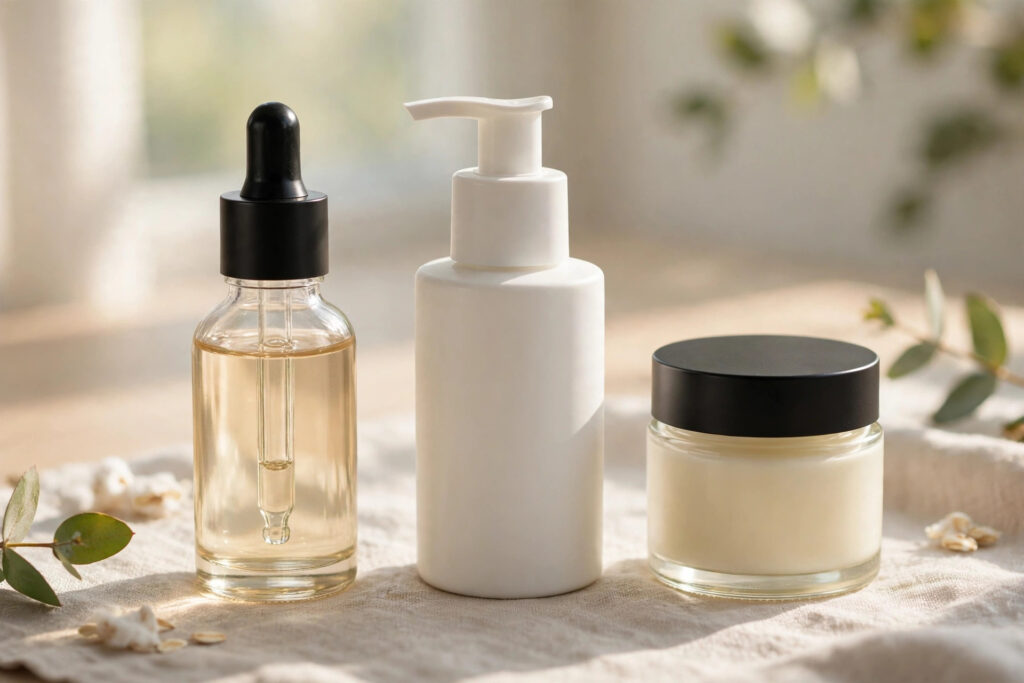
Week one is about basics. Morning: cleanse, moisturise, sunscreen. Evening: cleanse and moisturise. Do this every day, and notice how your skin feels: comfortable, dry, oily, or sensitive at certain times of day. Keep notes if that helps, especially if you later add a new product and want to compare. This is a calm way to learn how to start a skincare routine.
In week two, if the basics feel comfortable, add one serum, once a day. A hydrating serum is the gentlest choice. Use it for at least two weeks before judging it, and before adding anything else. If skin becomes uncomfortable, pause the new product and return to the three basic steps until skin feels settled again.
After a month of steady basics, you can consider one further step, such as a vitamin C serum in the morning for a brighter-looking appearance, or a low-strength retinol at night, used slowly. Add only one at a time, start with a low frequency, and always keep morning sunscreen in place. Patience is part of the routine: cosmetic change is gradual, and consistency matters more than the number of products. By now, you will know how to start a skincare routine that suits your skin.
How to Choose Your First Products
Choose by skin feel, not by trends. Dry skin usually prefers a cream cleanser and a richer moisturiser. Oily or combination skin usually prefers a gel or foaming cleanser and a lightweight moisturiser. Sensitive skin benefits from fragrance-free formulas with short ingredient lists and gentle textures. If you are unsure, choose the gentler option and the smaller size first, so you can test it without waste. That is the practical side of learning how to start a skincare routine.
Read the ingredient list for a few familiar names: glycerin and hyaluronic acid for hydration, ceramides for a comfortable feel, and niacinamide for a balanced look. Avoid buying several products with similar purposes at once. One cleanser, one moisturiser, and one sunscreen are enough to begin, and one serum is plenty as a first extra.
Common Mistakes to Avoid
1. Adding Too Many Products at Once
Starting five new products in one week makes it impossible to know which one suits you and which one does not. Add one product at a time, wait two weeks, and only then consider another. A short routine you follow every day beats a long routine you abandon. Patience matters most when you learn how to start a skincare routine.
2. Skipping Moisturiser or Sunscreen
Some beginners skip moisturiser because skin feels oily, or skip sunscreen because the day looks cloudy. Both steps matter. Moisturiser helps skin feel balanced, and sunscreen is the daily protective step. If a moisturiser feels heavy, try a lighter gel-cream rather than skipping the step entirely. A steady routine is easier to keep when you know how to start a skincare routine.
3. Expecting Instant Results
Cosmetic products work gradually. Allow at least four to eight weeks of regular use before judging a new product, and judge by comfort and appearance over time, not by a single day. If irritation persists, simplify the routine and consider a dermatologist for medical concerns. For general guidance on gentle skincare, see the American Academy of Dermatology.
Frequently Asked Questions (FAQ)
1. How many products do I need to start?
Three are enough: a gentle cleanser, a moisturiser, and a morning sunscreen. Add a serum later, only if you want one.
2. Should I use different products morning and night?
Mostly, the routine is the same, except sunscreen is a morning-only step. You can use a richer moisturiser at night if skin feels dry.
3. When should I add a serum?
Once the basic routine feels comfortable for at least two weeks. Start with one gentle serum, once a day, and build slowly from there.
4. What if a new product irritates my skin?
Stop the new product, return to cleanser, moisturiser, and sunscreen, and let skin settle. Reintroduce it more slowly, or try a gentler formula, if you wish.
Conclusion: Start Simple, Stay Consistent
The most important takeaway is simple: a short routine you use every day will do more for the appearance of your skin than a complicated routine you use only sometimes. Start with cleanser, moisturiser, and morning sunscreen, add one gentle serum when you are ready, and give each change time to show its effect. For the complete order of products, return to our skincare routine guide, and build from there, one calm step at a time. Once you know how to start a skincare routine, keep it simple and stay consistent.