Let’s start with a simple truth: if your skin often feels tight, dry, or dehydrated-looking, a hyaluronic acid serum is one of the easiest serums to add. It is a humectant, which means it helps attract and hold moisture at the skin’s surface, so skin can look plumper, smoother, and more hydrated. It is a cosmetic hydrating step, not a medical treatment, and it works best when it is sealed in with moisturiser.
Here is the reality check: hyaluronic acid does not add oil, and it does not replace moisturiser. Its job is to support hydration in the step before moisturiser. This guide explains molecular weight, how to apply it on damp skin, when to use it, and who it suits best.
Quick Verdict: Hyaluronic Acid Serum at a Glance
- Best for: dry, dehydrated-looking, or tight-feeling skin.
- Best time to use it: morning and/or evening, after cleansing.
- Best way to apply it: on slightly damp skin, then moisturiser on top.
- Best to pair with: a suitable moisturiser, and vitamin C in the morning or retinol at night in a simple routine.
What Is Hyaluronic Acid Serum?
Hyaluronic acid is a substance naturally present in skin that helps it hold water. In skincare, it is used as a humectant ingredient in serums, creams, and mists. A hyaluronic acid serum is usually a lightweight, water-based gel or liquid that is applied after cleansing and before moisturiser. Because it is water-based and generally gentle, it suits many skin types, including sensitive skin, although patch testing is still sensible for any new product.
Formulas often describe molecular weight, which refers to the size of the hyaluronic acid molecules. Larger molecules tend to sit more on the surface and help skin look hydrated and smooth, while smaller molecules are described as reaching slightly deeper layers of the surface. Many products blend several molecular weights to give both surface hydration and a comfortable feel. You do not need to memorise the science — a blend, a comfortable texture, and a moisturiser on top are usually enough.
Hyaluronic Acid Serum Comparison: What to Look For
| Feature | Best For | What to Know |
|---|---|---|
| Multi-weight blend | Most skin types | Combines surface hydration with a comfortable, non-sticky feel |
| Simple, fragrance-free formula | Sensitive skin | Fewer added fragrances and alcohols can mean less irritation risk |
| Gel texture | Oily or combination skin | Lightweight and easy to layer under moisturiser |
| Serum plus cream texture | Dry skin | A slightly richer feel, still sealed with moisturiser |
What Hyaluronic Acid Serum Can Help With
1. Hydration and a Plumper Look
By helping attract moisture to the skin’s surface, hyaluronic acid can help skin look plumper and feel softer, especially when used on damp skin and followed by moisturiser.
2. Smoother-Looking Skin
Well-hydrated skin often looks smoother and more even, and fine dry lines caused by dehydration can look less noticeable. This is a cosmetic hydration effect, not a permanent change.
3. Comfort After Cleansing
After cleansing, skin can feel tight. A hyaluronic acid serum is a gentle first leave-on step that helps restore a comfortable, hydrated feel before heavier products.
How to Use Hyaluronic Acid Serum
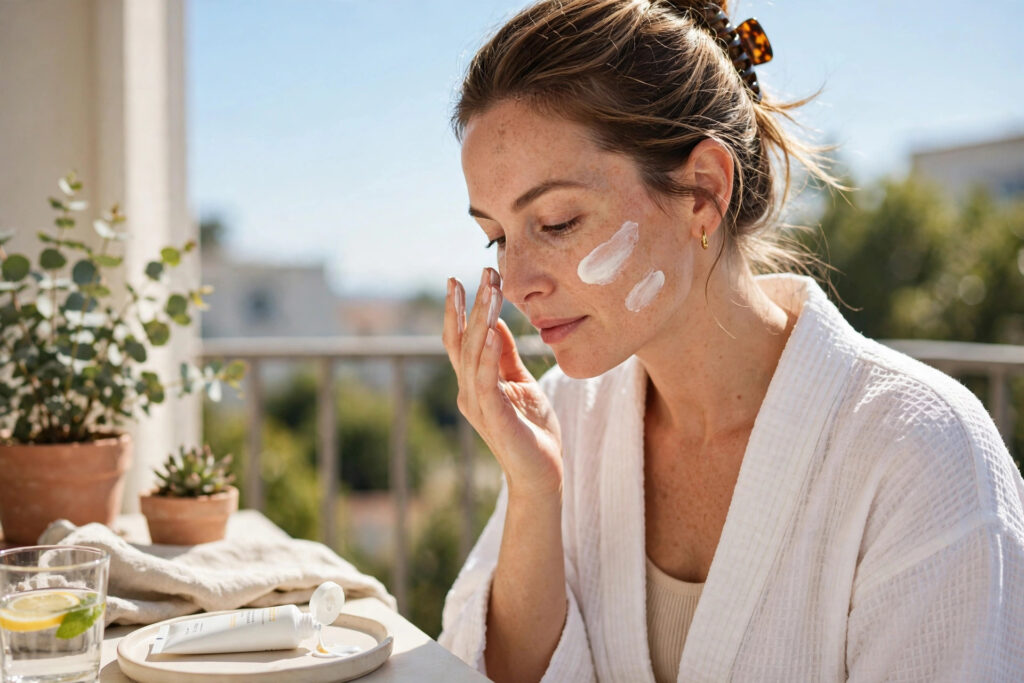
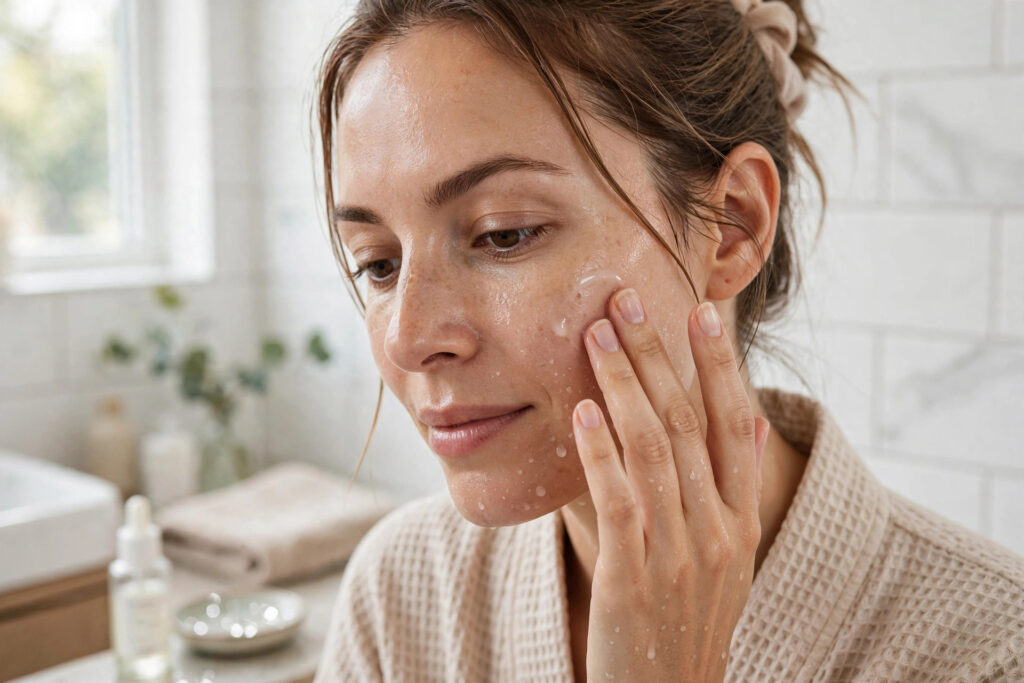
Apply it after cleansing, while skin is still slightly damp — for example, after a splash of water or a hydrating mist. Use two to four drops, press gently over the face, then follow immediately with moisturiser to help seal in hydration. It fits the skincare routine order: cleanser, then serum, then moisturiser, then SPF in the morning.
You can use it morning and evening, or just once a day. In the morning, it pairs well with vitamin C serum — apply the lighter product first, then moisturiser and SPF. In the evening, it pairs well with retinol, used on a different step or on alternate nights if your skin is new to retinol. Always follow the product label for amount and frequency.
Layering Order and Common Pairings
Apply water-based serums before creams, and hyaluronic acid before a heavier moisturiser. If you use several serums, apply the thinnest first. A simple morning order is: cleanser, hyaluronic acid on damp skin, vitamin C serum if you use it, moisturiser, SPF. A simple evening order is: cleanser, hyaluronic acid, treatment serum if you use one, moisturiser. Avoid layering many active ingredients at once, and pause the newest product if skin feels irritated.
Who Is Hyaluronic Acid Serum For?
It suits most skin types, especially dry, dehydrated-looking, or combination skin. Oily skin can also benefit, because hydration is not the same as oil — a lightweight gel formula can hydrate without a heavy feel. Sensitive skin often tolerates simple, fragrance-free formulas well. If irritation persists, stop use and consider a dermatologist for medical concerns.
Common Mistakes to Avoid
1. Applying It to Very Dry Skin Without Moisturiser
On very dry skin in a dry climate, a humectant without a moisturiser on top can feel less comfortable. Damp skin plus moisturiser is the reliable combination.
2. Skipping Moisturiser
Hyaluronic acid supports hydration, but moisturiser helps seal it in. Use both, especially if skin feels dry. For general guidance on gentle skincare, see the American Academy of Dermatology.
3. Using Too Many Serums at Once
Start with one hydrating serum, learn how your skin responds, then add other steps slowly.
Frequently Asked Questions (FAQ)
1. Should I apply hyaluronic acid serum on damp or dry skin?
Slightly damp skin is best, because the humectant can help attract that surface moisture. Follow with moisturiser.
2. Can I use it morning and night?
Yes, most people can use it twice a day. Once a day is also fine if that suits your routine.
3. Does hyaluronic acid replace moisturiser?
No. It supports hydration, but moisturiser helps seal it in and support the skin barrier.
4. Is it suitable for oily skin?
Yes. Choose a lightweight gel formula and a suitable moisturiser. Hydration does not mean adding oil.
Conclusion: Start With Hydration
Hyaluronic acid serum is one of the simplest, gentlest serums to start with: it hydrates, layers easily, and suits most routines. But here is the most important takeaway: damp skin, then serum, then moisturiser — that order is what makes it work. For help choosing a formula, read our best hyaluronic acid serum guide, and keep the skincare routine simple.