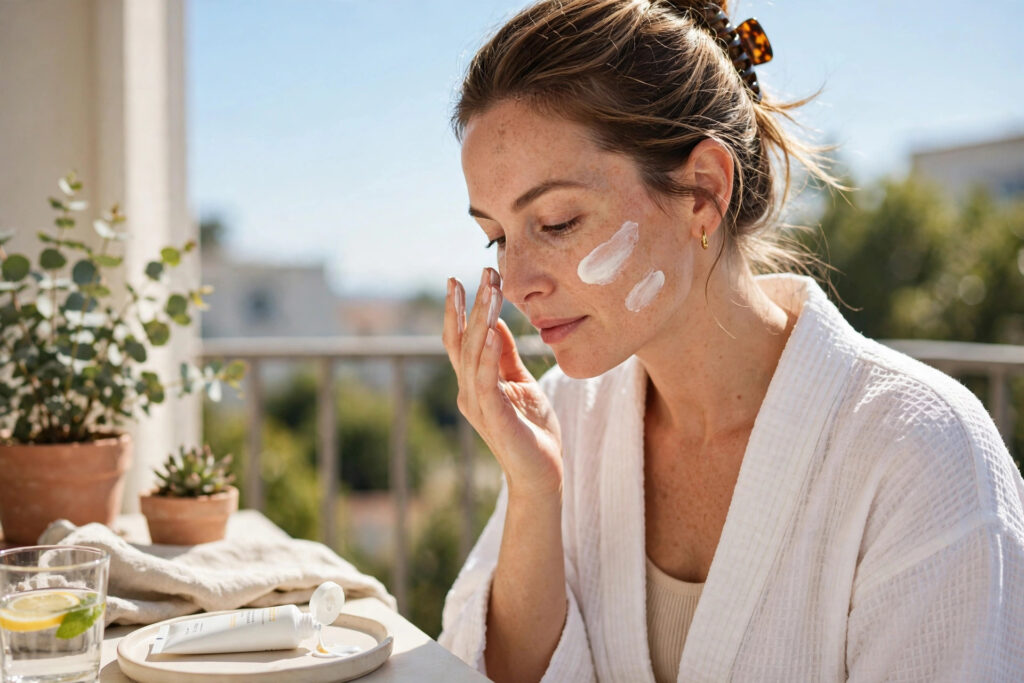
Here’s the simple truth about the best hyaluronic acid serum: it is not about adding oil — it is about helping skin hold onto water. This lightweight humectant draws moisture toward the skin’s surface, which can help skin look plumper, smoother, and more comfortable. But not all formulas are the same, and the right one depends on texture, ingredients, and how you use it.
So, what should you look for? This guide breaks down the choices by skin type, formula, and budget, with popular ranges as examples only. Prices and availability change, so always check the current listing before buying. See our affiliate disclosure for how affiliate links work.
Quick Verdict: Best Hyaluronic Acid Serum at a Glance
- Best for dry skin: a formula with multiple molecular weights, plus glycerin or ceramides, sealed with moisturiser.
- Best for oily skin: a lightweight, water-based gel or serum with a short ingredient list.
- Best for sensitive skin: a fragrance-free formula with few added extras.
- Best for beginners: a simple, affordable serum applied on damp skin, morning and night.
Hyaluronic Acid Serum Comparison: Formulas at a Glance
| Formula Type | Best For | What to Know |
|---|---|---|
| Single molecular weight | Surface hydration | Simple and often affordable |
| Multi-weight blend | Layered hydration | Different sizes target different layers of the surface |
| With glycerin or panthenol | Dry or tight-feeling skin | Extra humectants support comfort |
| With ceramides | Dry skin needing barrier support | Pairs well with a moisturiser |
How to Choose: Best for Your Skin Type
1. Best for Dry Skin
Look for a multi-weight formula with glycerin, and always follow with moisturiser. Hyaluronic acid draws in moisture, but moisturiser helps lock it in. The Ordinary and CeraVe ranges are often mentioned for simple, affordable options, but choose by formula, not brand alone.
2. Best for Oily or Combination Skin
Look for a lightweight, water-based serum that absorbs quickly and does not leave a sticky finish. Apply a small amount on damp skin, then a light moisturiser. Avoid heavy creams in the same step if your skin already feels oily.
3. Best for Sensitive Skin
Look for a fragrance-free formula with a short ingredient list. Patch test first, and introduce one new product at a time so you can tell what suits your skin.
4. Best on a Budget
A simple hyaluronic acid serum is often enough. You do not need a long ingredient list — a clean formula, damp-skin application, and a good moisturiser matter more than a premium price. If you already own a moisturiser you like, there is no need to replace it; add the serum underneath it and judge the pair together over two to three weeks. Consistency matters more than chasing new launches, and a serum you finish is better value than one that sits unused on a shelf.
How to Choose by Ingredients and Packaging
Check the ingredient list for hyaluronic acid in its common forms — sodium hyaluronate is a widely used form — and look for supporting ingredients such as glycerin or panthenol. Avoid added fragrance if your skin is sensitive. Packaging matters less than with some actives, but a pump or dropper that keeps the product clean is a plus.
As always, buy the smaller size first if you are trying a new formula. Also consider the season: in humid weather a light gel may be enough, while in cold, dry weather a slightly richer formula under a good moisturiser may feel more comfortable. If a serum pills under sunscreen or makeup, try using less product, waiting a minute before the next step, or switching to a lighter texture.

How to Use Your Hyaluronic Acid Serum
Apply it after cleansing, on damp skin, before moisturiser, as explained in our hyaluronic acid serum guide. Use two to three drops, press gently into skin, then follow with moisturiser and, in the morning, sunscreen. In very dry air, a richer moisturiser on top helps prevent that tight feeling.
Common Mistakes to Avoid
1. Applying It on Completely Dry Skin
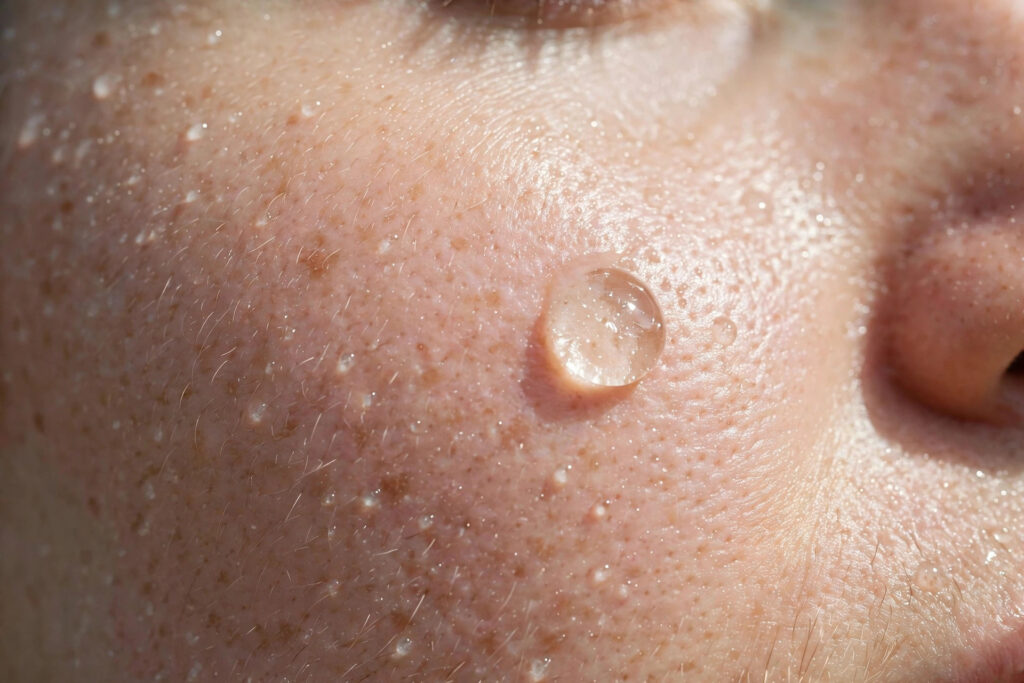
On dry skin, a humectant has less moisture to draw from. Damp skin gives it something to work with. Choosing the best hyaluronic acid serum is about formula first, price second.
2. Skipping Moisturiser
Serum alone is rarely enough, especially for dry skin. Moisturiser seals in the hydration. For general guidance on gentle skincare, see the American Academy of Dermatology.
3. Using Too Much Product
More serum does not mean more hydration. A few drops, evenly applied, are enough — excess can feel sticky. The best hyaluronic acid serum for you is one your skin tolerates daily.
Frequently Asked Questions (FAQ)
1. Can I use hyaluronic acid serum every day?
Yes, most people use it morning and night, on damp skin, followed by moisturiser.
2. Does molecular weight matter?
Multi-weight formulas are designed to hydrate different levels of the skin’s surface, but a simple formula can still work well for daily use.
3. Can I layer it with vitamin C or retinol?
Yes. Hyaluronic acid usually layers well — apply it before heavier serums or creams, and use retinol at night as directed in its own guide.
4. Is an expensive serum always better?
No. Formula, texture, and consistent use matter more than price alone.
Conclusion: Choose Simple, Then Seal It In
The best hyaluronic acid serum is the one that suits your skin type, feels comfortable, and fits your routine. But here is the most important takeaway: damp skin plus moisturiser is what turns a good serum into good hydration. Re-read the hyaluronic acid serum guide before you buy, keep the rest of your routine simple, and give the new serum two to three weeks of regular use before deciding whether it truly suits your skin. See our complete skincare routine guide for the full order.